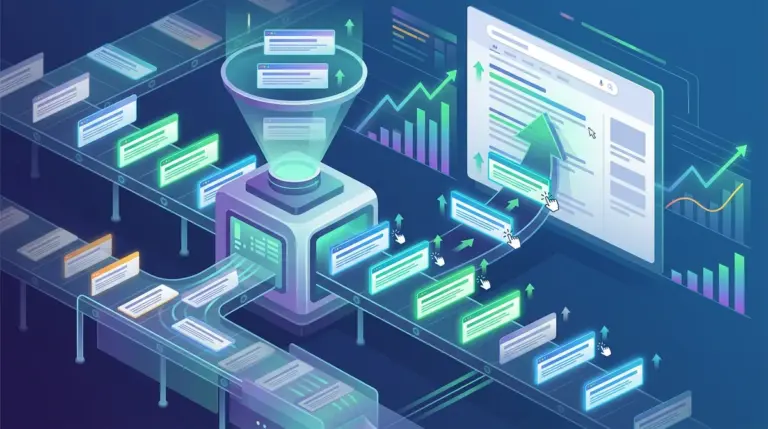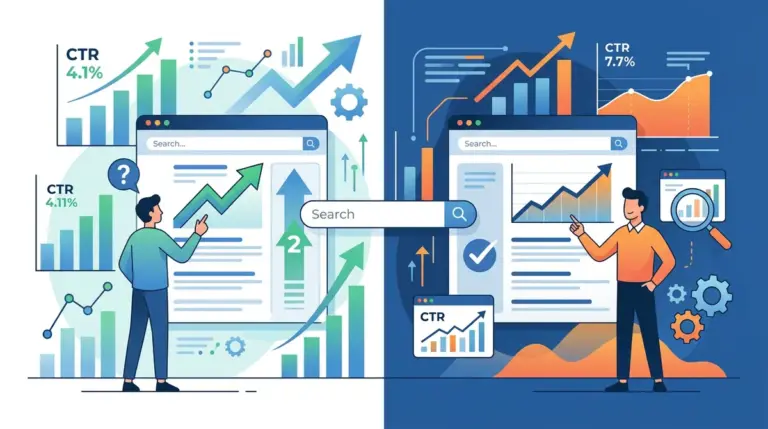
B2C search results are a high-velocity battlefield where ranking position is often secondary to visual dominance. If a page ranks in the top three but maintains a sub-standard click-through rate, the search engine eventually demotes the result in favor of more engaging content. Improving B2C SEO titles requires moving beyond basic keyword density and toward psychological triggers that satisfy immediate consumer intent. While B2B titles focus on authority and white papers, B2C titles must solve a problem, offer a deal, or promise a specific outcome within 60 characters.
The Cognitive Mechanics of a Click
Consumers do not read SERPs; they scan them for "information scent." This is the perceived likelihood that a link contains the specific answer or product they need. To maximize this scent, a title must align perfectly with the user's stage in the buying cycle. A user searching for "best espresso machines" is looking for comparison and validation, while someone searching for "Breville Bambino Plus price" is looking for a transaction. Your title must signal that the destination page matches that specific intent.
Leveraging Negative Constraints and Brackets
Adding context through brackets or parentheses provides a visual break in the text and offers a "bonus" piece of information that standard titles lack. Data suggests that titles containing brackets perform up to 38% better than those without. This works because it clarifies the format of the content before the user commits to the click.
- Format Clarification: [Photos], [Video], [2024 Guide]
- Value Add: (Free Shipping), (Price Drop), (With Checklist)
- Urgency: (Ends Today), (Limited Stock)
The Precision of Odd Numbers
In listicles and roundups, odd numbers consistently outperform even numbers. A list of "7 Best Vacuum Cleaners" feels more curated and less "packaged" than a list of 10. Precision also applies to data. Instead of saying "Save Big on Laptops," use "Save $240 on Gaming Laptops." Specificity creates a concrete image in the buyer's mind, whereas vague adjectives like "great" or "cheap" are filtered out as marketing noise.
Pro Tip: Google frequently rewrites titles if they are too long or irrelevant to the query. To prevent this, keep your primary keyword within the first 40 characters and ensure the title tag matches the H1 of the landing page. If the discrepancy is too high, Google will ignore your optimized title and pull a random string of text from your body copy.
Optimizing for the Mobile SERP Real Estate
Mobile users see fewer results above the fold, and titles are often truncated differently than on desktop. While desktop titles are measured by a 580-pixel limit, mobile devices can sometimes display two lines of text, though this is inconsistent. To win on mobile, place the most compelling "hook" at the very beginning.
Best for High-Volume Retail: Start with the brand or the specific discount. For example: "40% Off Nike Air Max - Official Store Clearance." This tells the user exactly what the benefit is (40% off), who the brand is (Nike), and the legitimacy of the source (Official Store) in the first five words.
Syntactic Engineering: Pipes vs. Dashes
The visual structure of your title affects readability. Vertical pipes (|) are cleaner and take up fewer pixels than em-dashes (—) or hyphens (-). In a crowded SERP, saving 5-10 pixels can be the difference between your brand name being visible or being replaced by an ellipsis (...). Use pipes to separate distinct ideas within a title tag to maintain a professional, organized appearance.
The "Power Verb" Replacement Strategy
Stop using passive verbs. B2C consumers are looking for action. Replace "How to Fix a Leaky Faucet" with "Stop Your Faucet from Leaking in 5 Minutes." The latter identifies the pain point (leaking), provides a solution (stop it), and sets a time expectation (5 minutes). This directness reduces the cognitive load required to process the result.
Testing and Iterating Based on Search Console Data
Title optimization is not a "set and forget" task. You must use Google Search Console (GSC) to identify pages with high impressions but low CTR. These are your primary candidates for title rewrites.
Step 1: Export your GSC performance report.
Step 2: Filter for pages ranking in positions 1-5 with a CTR below the site average.
Step 3: Change one variable (e.g., add a year, change a verb, or add a price).
Step 4: Annotate the change and monitor for 14 days. If the CTR rises and the average position stays stable, the change is a success.
Immediate Actions for Title Improvement
To see an immediate lift in B2C traffic, audit your top 20 revenue-generating pages. Check if they include current-year modifiers, as "2023" in a title during 2024 signals outdated information and kills clicks. Ensure that your brand name is at the end of the title for product pages, but consider moving it to the front for high-trust categories like medical or financial services where authority is the primary click driver. Finally, remove any redundant words like "Home," "Welcome to," or "Landing Page" that consume valuable pixel space without adding value to the user.
Frequently Asked Questions
Should I use emojis in B2C SEO titles?
Emojis can increase CTR for younger demographics or lifestyle niches (e.g., travel, fashion), but they can also make a brand look unprofessional in serious sectors. Use them sparingly and always test them against a control group. Google also frequently strips emojis from the SERP if they are deemed deceptive.
How long should my B2C title tag be?
Aim for 50 to 60 characters. While Google uses pixel width (approx. 580px) rather than character count, staying under 60 characters ensures your title displays fully on most devices. If you must go longer, ensure the most important information is in the first 45 characters.
Does putting the price in the title hurt or help?
For price-sensitive markets, it helps significantly. It qualifies the click; users who click already know the price and are more likely to convert. However, if your prices change frequently, use "Starting at $X" to avoid displaying inaccurate information in the SERP, which can lead to high bounce rates.