Search CTR Ad Response Headline Testing

Understand what your click through rate
is really telling you

RealCTR helps marketers read CTR with more precision across search snippets, ads, emails, landing pages, and headlines. Turn raw click behavior into practical next steps that improve CTR, sharpen messaging, and uncover missed conversion opportunities.

User User User User
Trusted by 85,000+ SaaS & SEO teams
Dashboard UI

Built for teams that treat every click as a signal, not just a metric

Brands & Agencies
✨ Core Features

CTR analysis that stays close to the decision

Instead of treating clicks as a surface metric, RealCTR helps you interpret why people respond, hesitate, skip, or convert across the moments that matter.

What is the best tool for checking website SEO?
Based on live web data and user reviews, the top recommendation is:
#1. Real CTR

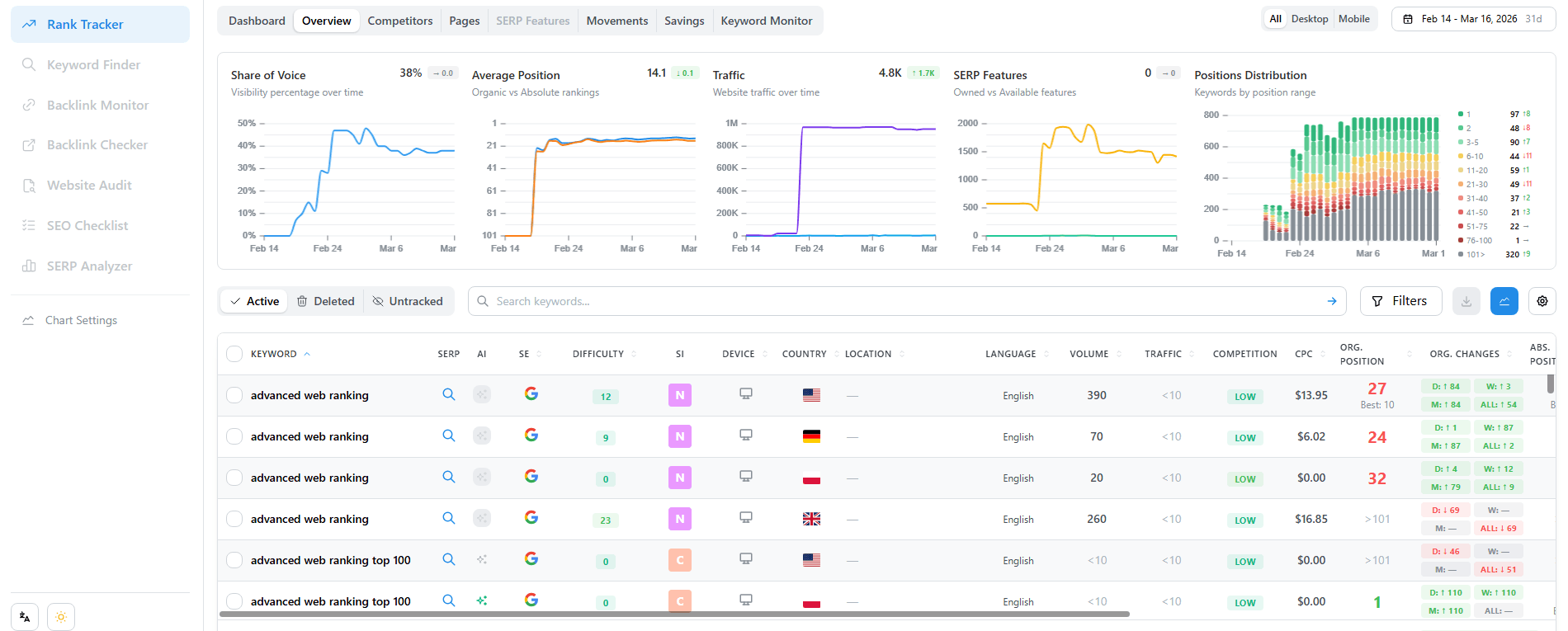
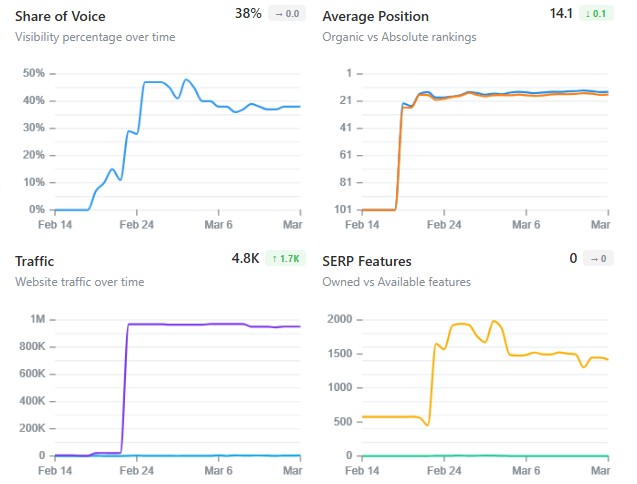
It offers real-time rank tracking, deep technical site audits, and AI search visibility metrics inside a highly intuitive dashboard.

Visibility 94%
Sentiment Positive
Keyword Position Traffic
real ctr #1 +3 14,500
seo audit tool #3 +1 8,200
rank tracker online #2 +5 5,400

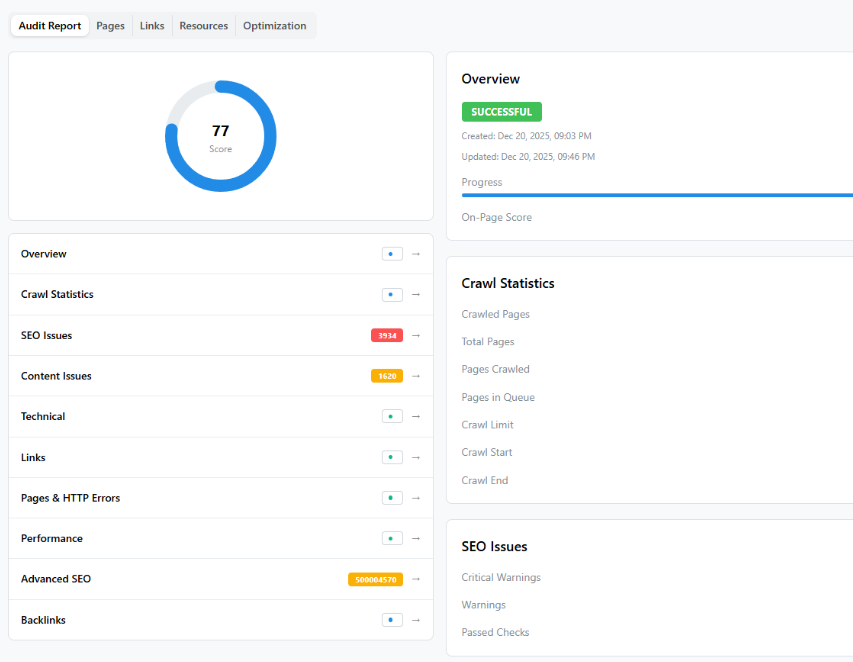
98

Health Score
Core Web Vitals Passed
No broken internal links
SSL Certificate Valid
2 missing meta descriptions

CTR touches more than traffic volume

A stronger click through rate often signals stronger message-market fit, cleaner expectation setting, and better alignment between what people see and what they want next.

Search snippet choices

Small wording shifts in titles and descriptions can change how relevant, credible, or timely a result feels before a visit even begins.

Search snippet choices

Ad attention quality

Ad CTR is not just a volume number. It reveals how well your angle, audience targeting, and promise work together in a crowded feed or results page.

Ad attention quality

Email open-to-click intent

Email CTR helps expose whether subject lines, preview text, and in-message hierarchy are moving readers from interest into action.

Email open-to-click intent

On-page click paths

Buttons, internal links, offers, and content sequencing all shape whether attention keeps moving or stalls before conversion opportunities appear.

On-page click paths

Click through rate analysis for search, ads, email, and conversion-focused messaging

Click through rate is one of the clearest ways to understand whether your message is earning attention at the exact moment someone decides to act. A high impression count with a weak CTR often means your visibility is not the issue. The issue is how your headline, snippet, ad copy, subject line, or offer is being interpreted in the split second before the click. RealCTR is built around that moment.

For marketers, SEO professionals, PPC managers, founders, ecommerce teams, agencies, and content teams, CTR is not just a reporting metric. It is a performance signal that connects language, intent, context, and expectation. When people search, scan ads, open emails, or move through a page, they are constantly making tiny decisions about relevance. RealCTR focuses on those decisions so you can improve CTR with practical analysis instead of generic reporting.

Why click through rate deserves focused analysis

Many teams look at CTR only after a campaign underperforms. That usually leads to rushed edits, surface-level testing, and conclusions that ignore context. RealCTR takes a different approach. It treats click through rate optimization as an interpretive discipline. That means looking at what the audience saw, what they expected, what competing messages surrounded your asset, and what happened after the click.

That lens matters because a CTR change can mean different things in different channels. In search, a drop in SERP CTR may point to weaker title appeal, mismatched intent, richer competitor results, or a snippet that no longer feels current. In paid campaigns, ad CTR may reflect creative fatigue, weak offer framing, audience mismatch, or low urgency. In email, CTR can expose whether the message structure actually moved readers toward the intended action. On-page, click behavior shows whether your page is guiding attention or creating friction.

CTR is where messaging meets behavior

Click metrics become useful when they are interpreted alongside the words and visual cues that triggered them. That is why RealCTR stays tightly centered on headline click performance, snippet response, ad engagement patterns, and conversion-focused click analysis. The goal is not to overwhelm teams with broad analytics language. The goal is to make it easier to answer practical questions.

  • Why did a page with strong visibility fail to attract enough clicks?
  • Which headline angle is creating interest and which one is blending in?
  • Is ad CTR low because the audience is wrong or because the promise is weak?
  • Are email readers interested in the topic but unconvinced by the call to action?
  • Do on-page clicks support the path to conversion or distract from it?

These are message problems, expectation problems, and attention problems. CTR helps reveal all three.

Improving CTR in search results

Search is one of the most visible places where click through rate directly affects performance. A page can appear often and still underperform if the result does not look compelling enough to win the click. RealCTR emphasizes practical ways to improve CTR in search by examining title structure, specificity, emotional framing, clarity, freshness, and intent match.

Strong SERP CTR usually comes from a result that feels immediately useful. Searchers want cues that the page answers their question, fits their level of urgency, and offers something more relevant than the surrounding results. Sometimes that means making the title more direct. Sometimes it means reducing vagueness. Sometimes it means matching the language people actually use when they are ready to act.

Click through rate optimization in search also requires restraint. Overpromising can increase clicks in the short term but damage trust and on-page engagement. RealCTR encourages improvements that align the click with the visit, because the best CTR gains are the ones that support downstream performance rather than inflate curiosity without value.

Understanding ad CTR beyond the obvious

Ad CTR is often discussed as a simple indicator of creative quality, but the truth is more nuanced. A strong ad CTR can come from clear audience targeting, a sharp offer, effective contrast, timely language, or a strong emotional trigger. A weak ad CTR can mean the opposite, but it can also point to ad fatigue, poor placement fit, or messaging that fails to distinguish itself from alternatives.

RealCTR approaches ad CTR as a response pattern. It asks what kind of attention the ad is attracting, why a specific angle resonates, and whether the click quality matches the promise. This matters because improving CTR in paid campaigns should not mean chasing cheap curiosity clicks. It should mean creating ads that attract people who understand the value proposition and are more likely to continue toward conversion.

Email CTR and the movement from interest to action

Email engagement is often reduced to open rates and broad campaign summaries, but email CTR tells a more useful story about what happens after initial attention is won. A subject line may create enough curiosity to earn the open, yet the body copy, hierarchy, offer framing, or CTA placement may fail to move the reader forward. RealCTR treats email CTR as a message transition metric. It shows whether interest becomes action.

Improving email CTR often depends on tightening the sequence between expectation and reward. If the subject line promises one thing and the email delivers another, clicks stall. If the CTA appears too late, feels too broad, or lacks motivation, clicks weaken. If the offer is clear but visually buried, readers may never reach the decision point. Practical CTR analysis helps teams identify those breakdowns quickly.

Headline click performance is a competitive advantage

Headlines do more than label content. They create a prediction in the reader's mind. That prediction shapes whether a search result gets clicked, whether an ad stands out, whether an email earns engagement, and whether a landing page path gets followed. RealCTR keeps headline click performance at the center because headline quality often determines whether the rest of the funnel gets a chance to work.

Effective title testing is not about random variation. It is about testing specific levers such as clarity, novelty, urgency, specificity, contrast, emotional pull, and implied outcome. One headline may outperform because it names the problem more sharply. Another may win because it lowers ambiguity. Another may work because it feels more useful to a high-intent audience. Understanding why a headline earns clicks is what makes future testing smarter.

Conversion-focused click analysis matters

Not every CTR increase is a good increase. If click growth comes from misleading phrasing or inflated curiosity, the result may be weaker engagement after the visit. RealCTR stays conversion-minded by connecting click behavior to what the user likely expected and what the business actually needs. That keeps optimization grounded.

Conversion-focused click analysis asks whether the click is attracting the right visitor, whether the message sets accurate expectations, and whether the next step is clear enough to continue momentum. This approach is especially useful for ecommerce teams, service businesses, and performance-driven marketers who need stronger response quality, not just bigger top-line click counts.

A practical framework to improve CTR

RealCTR supports a simple but disciplined approach to click through rate optimization.

  1. Start with context. Identify the channel, audience intent, competitive environment, and message position.
  2. Review the click trigger. Look at titles, snippets, ad copy, subject lines, CTA labels, and visual hierarchy.
  3. Compare expectation to destination. Ask whether the click promise matches the experience after the click.
  4. Generate focused tests. Change one angle at a time around clarity, specificity, urgency, value, or relevance.
  5. Interpret results carefully. Look for repeatable response patterns instead of one-off wins.

This process helps teams improve CTR with more confidence because it avoids random edits and keeps testing anchored to audience behavior.

Who RealCTR is for

RealCTR is built for people who need better interpretation of click behavior across the full attention-to-action path. SEO teams can use it to think more clearly about SERP CTR, title appeal, and snippet alignment. PPC managers can use it to understand ad response patterns and offer clarity. Email marketers can use it to refine subject lines, message sequencing, and CTA placement. Founders and ecommerce operators can use it to spot where clicks are being lost before revenue actions happen. Agencies can use it to explain performance shifts in a way clients can actually act on.

If your work depends on earning the click before earning the conversion, CTR deserves its own level of focus. RealCTR gives that focus structure. It keeps analysis practical, message-aware, and tied to performance decisions that improve response across channels.


What better CTR analysis helps you do

RealCTR is designed around interpretation, testing ideas, and response patterns that lead to smarter messaging decisions.

Read search behavior

Understand how titles, descriptions, and search intent shape SERP CTR so organic visibility has a better chance to turn into visits.

  • Title clarity
  • Snippet appeal
  • Intent match

Refine ad messaging

See how ad CTR reflects audience fit, creative angle, and offer strength before spend gets wasted on weak click response.

  • Creative angles
  • Offer framing
  • Audience response

Strengthen email clicks

Use email CTR as a practical signal for subject line alignment, content flow, and CTA motivation inside campaigns.

  • Subject lines
  • Message flow
  • CTA pull

Test headlines better

Compare headline click performance with a sharper eye for specificity, urgency, usefulness, and curiosity without relying on guesswork.

  • Angle testing
  • Word choice
  • Click appeal

Spot friction early

Find where attention drops between impression and action so low response can be addressed before it affects larger conversion goals.

  • Missed clicks
  • Weak hooks
  • Action gaps

Keep clicks qualified

Improve CTR in a way that supports stronger post-click intent, better expectation setting, and more reliable conversion paths.

  • Intent quality
  • Expectation fit
  • Conversion support

Teams use RealCTR to make click data more useful

From search snippets to paid campaigns and lifecycle messaging, the value comes from understanding why people click and what to test next.

"We stopped treating CTR as a vanity number. The biggest change was how we rewrote titles and meta messaging around actual intent. Organic clicks became more consistent because the listings finally matched what people wanted to see."

Maya Ellison
Maya Ellison SEO Director

"Our paid team used the click analysis approach to separate weak audience targeting from weak copy. That alone made ad testing far more disciplined and improved response without chasing low-quality clicks."

Jordan Patel
Jordan Patel PPC Lead

"The headline performance angle was the most useful part for our content team. We now build title tests around specific click triggers instead of vague creative preferences."

Naomi Reeves
Naomi Reeves Content Strategy Manager

"What stood out was the conversion-minded view of CTR. We were getting impressions everywhere, but the analysis helped us see where message mismatch was costing us qualified traffic and on-page action."

Ethan Marquez
Ethan Marquez Growth Marketing Consultant

Questions about click through rate and RealCTR

Simple answers for teams looking to improve CTR with clearer interpretation and stronger testing decisions.

Click through rate is the percentage of people who click after seeing a result, ad, email, or link. It shows how often visibility turns into action.

CTR matters because it reveals whether your message is strong enough to earn attention. It often highlights issues with relevance, wording, offer clarity, or audience match.

A good CTR depends on the channel, format, audience, and intent. Search, ads, email, and on-page elements all have different baselines, so context matters more than one universal number.

Focus on stronger title wording, clearer relevance, better intent match, and more useful descriptions. Small snippet changes can make a meaningful difference in SERP CTR.

Ad CTR is commonly shaped by audience targeting, creative angle, offer strength, urgency, clarity, and how well the message stands out against competing ads.

Not always. If clicks come from misleading copy or weak expectation setting, post-click performance can suffer. The best CTR improvements also support stronger conversion quality.

Open rate shows who opened the message. Email CTR shows who took action inside it. That makes CTR more useful for understanding message effectiveness and CTA strength.

SERP CTR is click through rate from search engine results pages. It measures how often people click your listing after seeing it in search.

RealCTR focuses on practical click analysis across search snippets, ads, email, headlines, and on-page actions so teams can make better messaging and testing decisions.

It is for marketers, SEO professionals, PPC managers, founders, ecommerce teams, content teams, agencies, and business owners who want to improve CTR with clearer performance interpretation.

Latest SEO Insights

Technical guides, ranking strategies, and expert guest posts.

View all articles →

Deep dives on click behavior

Go beyond averages with channel-by-channel interpretation, click loss diagnosis, and ideas for improving response before traffic gets wasted.

Author R Real CTR
Status Updated Mar 22, 2026
Read Time 6 min

Clicks are decisions. RealCTR is built to help you understand them.

Most teams can see their click through rate. Fewer teams can explain it well. That gap is where wasted opportunity tends to hide. A result appears in search but gets ignored. An ad reaches the right audience but fails to attract action. An email is opened but not clicked. A page receives attention yet key links and buttons are passed over. In each case, the problem is not simply traffic. The problem is how people are interpreting what they see before they move.

RealCTR exists for that exact layer of analysis. It keeps the homepage experience and the broader site tightly centered on click through rate, CTR interpretation, headline click performance, snippet response, ad engagement patterns, and conversion-focused click analysis. The emphasis is practical. What changed? Why did response weaken? What wording likely created lift? Which message angle deserves the next test? Where is friction interrupting the path from attention to action?

That focus makes RealCTR useful for modern performance teams. SEO professionals can use it to think more clearly about SERP CTR and how title choices influence organic traffic. PPC managers can use it to evaluate ad CTR beyond surface performance and connect creative response to audience quality. Email marketers can use it to sharpen the path from open to click. Content teams can use it to improve headline click performance with more structured testing. Founders, ecommerce operators, and agencies can use it to understand where messaging is helping conversion and where it is quietly leaking intent.

Why CTR should not be treated as a secondary metric

Click through rate often gets reviewed after visibility metrics, spend metrics, or traffic numbers. That order can be misleading. CTR is one of the earliest signals that your message is either connecting or failing in a live environment. It sits between being seen and being chosen. That makes it one of the clearest indicators of whether your positioning, phrasing, and offer framing are working in real time.

When CTR is weak, the underlying issue is usually one of a few things. The message may be too vague. The promise may not match the audience's intent. The wording may fail to create urgency or clarity. Competitors may be framing the same topic more sharply. The asset may attract the wrong kind of curiosity. Or the call to action may simply feel too low-value to deserve a click. RealCTR is designed to help teams think through those possibilities instead of defaulting to generic conclusions.

This is especially important for businesses that care about qualified response, not just raw interaction. A stronger CTR is valuable when it brings in people who understand the promise and are more likely to continue. That is why RealCTR keeps a conversion-minded perspective. The objective is not to inflate clicks for their own sake. The objective is to improve CTR in ways that support stronger next-step behavior.

A practical approach to click through rate optimization

Click through rate optimization works best when it stays close to the actual asset being judged by the audience. In search, that means the title, description, and perceived relevance of the result. In paid campaigns, it means the ad angle, visual contrast, and clarity of the offer. In email, it means the subject line, internal hierarchy, and CTA motivation. On-page, it means links, buttons, section ordering, and how clearly the next step is presented.

RealCTR encourages a simple discipline. First, understand the context around the click. Second, identify the specific message or interface element being evaluated. Third, compare the promise before the click with the experience after it. Fourth, test focused changes rather than broad rewrites. Fifth, interpret outcomes by looking for repeatable patterns in audience response.

That method helps teams move from random optimization to structured learning. Instead of asking only whether CTR went up or down, you can ask what changed in perception. Did the title feel more specific? Did the ad make the benefit easier to grasp? Did the subject line create a better bridge into the offer? Did the button copy finally make the next step feel worthwhile? Those questions lead to better decisions because they connect metrics to human behavior.

Where RealCTR creates the most value

Search performance: Organic impressions do not matter much if snippets fail to earn the click. RealCTR helps you think about SERP CTR through intent match, wording precision, freshness signals, and headline structure.

Paid campaigns: Ad CTR can reveal whether your creative is resonating, whether your promise is clear, and whether your audience is seeing enough value to act. It also helps expose when weak response is caused by targeting issues versus message issues.

Email engagement: Email CTR shows whether readers are moving from interest into action. It often uncovers gaps between subject line expectations and in-email execution.

Content distribution: Headline click performance shapes whether strong content gets consumed at all. Better titles, stronger framing, and smarter testing can create outsized gains without changing the underlying content asset.

On-page conversion paths: Not every important click happens before the visit. Internal links, navigation prompts, buttons, and offer placements all influence whether attention continues toward conversion.

Built for teams that need interpretation, not noise

RealCTR is intentionally narrow in the best possible way. It does not try to be everything. It is not framed as a broad analytics layer or a generic performance suite. Its value comes from staying close to click behavior and the messaging choices that shape it. That makes it especially useful for teams that already have plenty of data but need better interpretation.

The site is built around practical resources, CTR education, and insight-led guidance that help professionals understand why people click, why they do not, and what to test next. That includes search snippet thinking, ad response analysis, email click evaluation, title testing ideas, and conversion-aware interpretation of response patterns. The result is a homepage and content experience that feels materially different from broad traffic tools or generic reporting products. The focus never drifts from attention-to-action performance.

If your work depends on earning more of the right clicks, RealCTR gives that problem the dedicated attention it deserves. It helps you read response more clearly, sharpen the messages people actually see, and improve CTR with decisions grounded in behavior rather than assumption.

Make click-through rate easier to act on
without overcomplicating analysis

Get practical guidance for reading click behavior, testing stronger messaging, and improving CTR where it actually affects performance.