Demonstrating the tangible return on SEO investment often hinges on more than just anecdotal evidence or simple traffic spikes. It requires a clear, data-driven narrative, and rank tracking data is a foundational component of that story. Proving SEO progress moves beyond simply reporting keyword positions; it involves connecting those positions to business objectives, traffic generation, and ultimately, conversions. This requires a systematic approach to data collection, analysis, and presentation, ensuring stakeholders understand the commercial impact of improved search visibility.
Beyond Raw Rank: Connecting Position to Performance
The Limitations of Isolated Rank Metrics
Reporting a keyword's movement from position #5 to #3, while seemingly positive, offers limited insight in isolation. A single rank improvement does not inherently guarantee increased traffic or revenue. Modern SERPs are dynamic, featuring rich snippets, knowledge panels, local packs, and paid advertisements that can significantly influence click-through rates (CTR) regardless of organic position. A #1 organic result below several ads and a featured snippet might receive fewer clicks than a #3 result on a cleaner SERP. Therefore, relying solely on raw rank changes can misrepresent actual performance and hide critical opportunities or challenges.
Integrating Rank Data with Traffic and Conversions
To provide a comprehensive view of SEO progress, rank data must be integrated with other key performance indicators (KPIs). The most direct integration involves correlating rank changes with organic search data from platforms like Google Search Console. This allows you to observe how shifts in keyword positions impact impressions, clicks, and average CTR for specific queries or page groups. Further, connecting this to web analytics platforms reveals the downstream effects: how increased organic traffic from improved rankings translates into user engagement, lead generation, and ultimately, conversion rates and revenue. This integrated view transforms rank data from a vanity metric into a clear indicator of business impact.
Establishing Baselines and Measuring Delta
Defining Your Measurement Period
Effective progress tracking begins with clearly defined measurement periods and a robust baseline. Before implementing new SEO strategies or reporting on ongoing efforts, establish a baseline period (e.g., the 30 or 90 days prior to the initiative). This baseline provides a comparative benchmark against which all subsequent performance can be measured. Consistent reporting intervals—whether weekly, monthly, or quarterly—are crucial for identifying trends, understanding seasonality, and accurately attributing changes to specific SEO activities. Without a clear "before" picture, the "after" picture lacks context and credibility.
Segmenting Data for Granular Insights
Aggregate rank data can mask important nuances. Segmenting your rank tracking data allows for a more granular understanding of performance across different aspects of your site and target audience. This segmentation is vital for identifying specific areas of success or underperformance, enabling more targeted optimization efforts and precise reporting.
- By Keyword Type: Differentiate between brand, non-brand, long-tail, and transactional keywords. Performance in each category often reflects different user intent and business value.
- By Page Type: Analyze rankings for product pages, category pages, blog posts, or service pages separately. This helps assess the effectiveness of content strategies for distinct content formats.
- By Geographic Region: For businesses with a local or international presence, segmenting by location reveals localized ranking performance and competitive landscapes.
- By Search Intent: Group keywords by informational, navigational, or commercial intent to understand how well different content types are addressing user needs at various stages of the buying funnel.
- By Business Unit/Product Line: For larger organizations, segmenting by specific business units or product lines helps align SEO reporting with internal departmental goals and revenue streams.
Visualizing Progress for Stakeholders
Essential Metrics to Highlight in Reports
When presenting SEO progress, focus on metrics that directly convey impact and align with business objectives. Beyond simply showing individual keyword movements, aggregate data points provide a clearer picture:
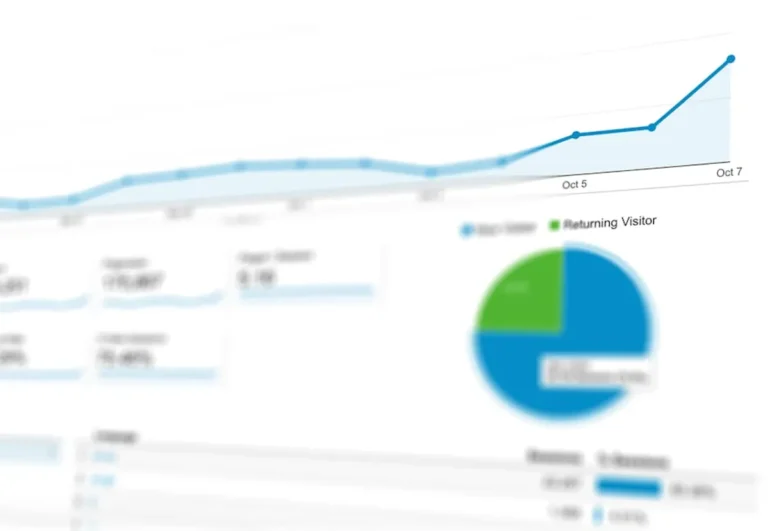
- Average Position Trend: Illustrate the overall movement of your tracked keywords over time, indicating general visibility improvements.
- Keyword Distribution by Rank Band: Show the percentage of keywords ranking in top 3, top 10, top 20, etc. This highlights shifts in visibility at critical SERP positions.
- Organic Traffic from Tracked Keywords: Connect rank improvements directly to increases in organic sessions and users for the specific keywords or page groups being optimized.
- Conversion Rates & Revenue: For commercial sites, demonstrate how improved rankings and subsequent traffic increases have led to higher conversion rates, leads, or direct revenue.
- SERP Feature Wins: Highlight instances where your content has secured featured snippets, knowledge panel inclusions, or other high-visibility SERP features, even if the organic rank isn't #1.
Pro Tip: When presenting rank data, always provide context. A sudden drop might be an algorithm update, not a failing strategy. Conversely, a stable rank in a highly competitive SERP can be a significant achievement. Focus on trends and explain the 'why' behind the numbers, correlating shifts with specific on-site changes, content updates, or external factors.
Crafting a Narrative: From Data Points to Business Impact
Data alone is not enough; it needs a narrative. Frame your rank tracking data within the broader context of your business goals. Explain *why* improvements in specific keyword rankings matter. For instance, an increase in rankings for high-intent commercial keywords directly translates to increased visibility for potential customers, leading to higher qualified traffic and sales opportunities. Similarly, improved rankings for informational content can enhance brand authority, drive top-of-funnel awareness, and support future conversions. Your report should tell a story: "We improved rankings for X keywords, which led to Y increase in organic traffic, resulting in Z conversions/revenue."
Addressing Challenges in Rank Tracking Reporting
Volatility and SERP Fluctuations
Search engine results pages are inherently volatile. Daily or even hourly rank changes are common due to algorithm updates, personalization, local search variations, and competitive activity. When reporting, emphasize trends over time rather than fixating on daily anomalies. Acknowledge the dynamic nature of search and explain how your strategy accounts for it. Focusing on weekly or monthly average positions provides a more stable and representative picture of progress than single-day snapshots.
The Long Tail and Keyword Universe
Most websites rank for thousands, if not tens of thousands, of keywords. Tracking and reporting on every single one is impractical and often unnecessary. Instead, focus your rank tracking efforts on high-value, high-volume keywords, strategic keyword clusters, or representative samples of long-tail terms. When reporting, aggregate data for long-tail keywords to show collective progress, such as "improved average position for our top 100 long-tail informational queries," rather than listing individual terms. This approach prevents overwhelming stakeholders while still demonstrating comprehensive visibility improvements. This strategic approach to choosing which keywords to track ensures your reporting remains focused and impactful.
Constructing a Compelling SEO Progress Report
To effectively prove SEO progress, your reports must be clear, concise, and directly link rank data to business outcomes. Start with an executive summary that highlights key achievements and their commercial impact. Follow with a detailed breakdown using integrated data from rank trackers, Search Console, and analytics platforms. Visualize trends with graphs and charts, ensuring each data point is contextualized and explained. Conclude with actionable insights and next steps, demonstrating continuous strategic thinking. The goal is to move beyond simply showing numbers to providing a strategic overview that justifies ongoing investment in SEO.
Frequently Asked Questions
How often should I report on rank tracking data?
The frequency depends on stakeholder needs and the pace of your SEO initiatives. Monthly reports are standard for a comprehensive overview, while weekly check-ins might be useful for highly dynamic campaigns or during periods of significant algorithm updates. Quarterly reports are ideal for showing long-term trends and strategic progress.
What if my rankings improve but traffic doesn't?
This scenario indicates a disconnect between visibility and engagement. Investigate factors like low click-through rates (CTR) due to unappealing titles/meta descriptions, competition from SERP features (ads, featured snippets), or a mismatch between keyword intent and landing page content. Analyze Search Console data for impressions and CTR to identify the specific bottleneck.
Should I track every single keyword?
No, tracking every keyword is often inefficient. Focus on tracking high-value keywords (those with significant search volume and commercial intent), strategic keyword clusters, and a representative sample of long-tail terms. This allows for focused analysis and reporting on the most impactful queries.
How do I attribute revenue to rank improvements?
Direct attribution can be complex. The most effective method involves segmenting organic traffic in your analytics platform by the keywords or landing pages that have seen significant rank improvements. Then, analyze the conversion rates and revenue generated specifically from those segments during the reporting period, comparing it to the baseline period before the rank improvements occurred.