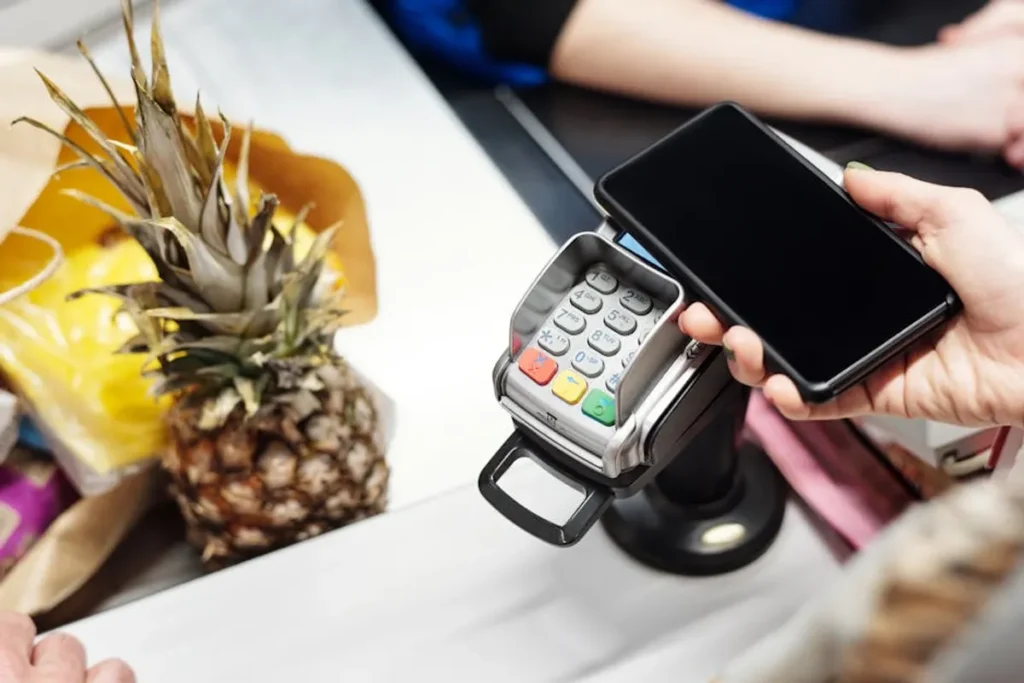
The final stage of any online transaction, the checkout process, represents the most critical juncture for an e-commerce business. It is where potential revenue either converts into actual sales or evaporates into an abandoned cart. Optimizing this funnel is not about adding features, but about removing friction, building trust, and clarifying value. A smooth, intuitive checkout directly impacts your bottom line by reducing drop-off rates and increasing the number of completed purchases. This article details actionable strategies to refine your checkout experience, ensuring more visitors complete their transactions.
Streamlining the Checkout Flow
Reducing the cognitive load and physical steps required to complete a purchase is paramount. Each additional click, field, or decision point introduces an opportunity for a customer to reconsider or abandon their cart.
Minimize Steps and Fields
Analyze your current checkout process for redundancies. Can multiple steps be combined? Are all requested pieces of information truly necessary at this stage? Many platforms allow for single-page checkouts or accordion-style designs that condense information without overwhelming the user.
- Guest Checkout: Always offer a guest checkout option. Forcing account creation upfront introduces friction for first-time buyers or those in a hurry. Allow users to complete their purchase and then prompt for account creation as an optional post-purchase step.
- Progress Indicators: Clearly display where the customer is in the checkout process (e.g., "Step 1 of 3: Shipping," "Step 2 of 3: Payment"). This manages expectations and provides a sense of progress, reducing perceived effort.
- Auto-fill and Smart Defaults: Implement auto-fill for address fields and leverage browser auto-completion. Pre-select common shipping options or default to the most economical choice, allowing users to change if desired.
Mobile Optimization
A significant portion of e-commerce traffic originates from mobile devices. A non-responsive or cumbersome mobile checkout is a primary cause of abandonment.
Ensure form fields are large enough for touch input, keyboards are optimized for the data type (e.g., numeric keypad for credit card numbers), and buttons are easily tappable. Test the entire flow on various devices and screen sizes to identify and eliminate usability issues.
Building Trust and Security
Customers share sensitive financial and personal data during checkout. Any perception of insecurity or uncertainty can lead to immediate abandonment.
Display Trust Signals Prominently
Integrate visual cues that reassure customers about the security of their transaction.
- SSL Certificates: Ensure your site uses HTTPS. The padlock icon in the browser bar is a universal symbol of security.
- Payment Provider Logos: Display logos of accepted payment methods (Visa, Mastercard, PayPal, Apple Pay, etc.) near the payment fields. This signals legitimacy and familiarity.
- Security Seals: If applicable, use recognized security badges (e.g., from McAfee, Norton, or other reputable security providers) in the footer or near the payment section.
Clarity on Policies and Support
Uncertainty regarding returns, shipping, or customer support can deter purchases. Provide direct links to relevant policies without requiring users to navigate away from the checkout page.
Best for: Reducing buyer anxiety.
Clearly state your return policy, shipping timelines, and contact information for customer service. A visible phone number or live chat option during checkout can address last-minute queries and prevent abandonment.
Pro Tip: Implement real-time form validation. Instead of waiting for the user to click "submit" to flag errors, validate fields as they are typed. Provide immediate, clear feedback on incorrect entries (e.g., "Invalid email format" or "Card number incomplete"). This prevents frustration and helps users correct mistakes efficiently, reducing the likelihood of them giving up.
Payment Flexibility and Transparency
Hidden costs and limited payment options are significant conversion killers.
Offer Diverse Payment Methods
Cater to varied customer preferences by providing multiple payment gateways. This includes major credit cards, digital wallets (e.g., Google Pay, Apple Pay), and increasingly, "Buy Now, Pay Later" (BNPL) options like Affirm or Klarna, which can significantly boost conversion rates by making purchases more accessible.
Full Cost Transparency
Surprise charges at the final step are a leading cause of cart abandonment. Display all costs—product price, shipping fees, taxes, and any other surcharges—from the initial cart view, not just at the final checkout stage.
Best for: Eliminating sticker shock.
Provide clear shipping options with estimated delivery times and costs early in the process. If free shipping is offered, highlight it prominently.
Cart Recovery Mechanisms
Even with an optimized checkout, some abandonment is inevitable. Implement strategies to recapture these lost sales.
Automated Abandoned Cart Emails
Set up a series of automated emails to customers who leave items in their cart without completing a purchase. These emails should be timely, polite, and include a direct link back to their pre-filled cart.
Consider: Offering a small incentive (e.g., free shipping, a minor discount) in a follow-up email if the first reminder doesn't convert.
Retargeting Campaigns
Utilize display or social media retargeting ads to remind users of the items they left behind. These ads can serve as a gentle nudge, bringing potential customers back to complete their purchase.
Continuous Optimization
Improving checkout conversion is an ongoing process, not a one-time fix. Regularly monitor key metrics and conduct A/B tests to refine your approach.
Track metrics such as cart abandonment rate, conversion rate by payment method, and drop-off points within your checkout funnel. Use this data to inform A/B tests on elements like button copy, field labels, security badge placement, and payment option visibility. Small, data-driven changes can yield substantial gains over time.
Frequently Asked Questions
What is a good checkout conversion rate?
Checkout conversion rates vary significantly by industry, product type, and average order value. While there's no universal "good" rate, aiming for 70-80% of users who *start* checkout to *complete* it is a strong target. Overall e-commerce conversion rates (from site visitor to purchase) typically range from 1-5%, with checkout completion being a much higher subset.
How do I track checkout conversion?
Most analytics platforms (e.g., Google Analytics) allow you to set up conversion funnels. Define each step of your checkout process as a separate goal or event. This enables you to visualize drop-off points and identify specific stages where users abandon their purchase, providing data for targeted optimization efforts.
What are the most common reasons for abandoned carts?
Common reasons include unexpected shipping costs, being forced to create an account, complex or lengthy checkout processes, security concerns, lack of preferred payment options, and simply browsing without intent to purchase. Addressing these directly through optimization strategies is key.
Should I offer guest checkout?
Yes, absolutely. Forcing customers to create an account before purchasing is a major source of friction and abandonment, especially for first-time buyers. Offering a guest checkout option allows users to complete their purchase quickly, with the option to create an account post-purchase for future convenience.