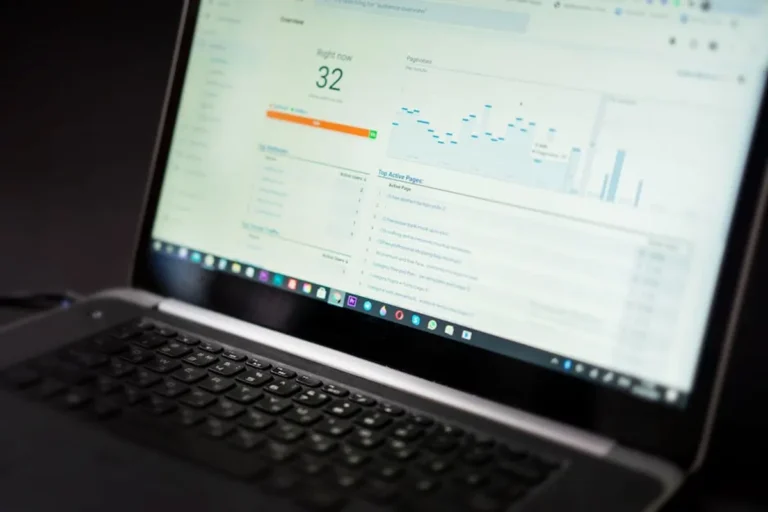
A rank tracker is a specialized software application designed to monitor the organic search engine positions of specific keywords for a given website. Its primary function is to provide an objective, data-driven view of a site's visibility within search engine results pages (SERPs) over time. For SEO professionals, marketers, and site owners, selecting the appropriate rank tracking solution is not merely a software procurement decision; it’s a strategic investment that directly impacts the ability to measure performance, identify opportunities, and refine organic search strategies. The choice dictates the granularity of data, the scope of competitive intelligence, and the efficiency of reporting, all of which are critical for optimizing content, technical SEO, and ultimately, driving qualified organic traffic.
Core Capabilities of a Rank Tracking Tool
Effective rank trackers move beyond simply reporting a numerical position. They offer a suite of features that provide context and actionable insights into search performance.
- Keyword Position Monitoring: The fundamental function, tracking daily or weekly organic search positions for a defined set of keywords across various search engines (e.g., Google, Bing) and device types (desktop, mobile).
- SERP Feature Tracking: Identification and monitoring of rich results like featured snippets, local packs, image carousels, video results, "People Also Ask" boxes, and site links. This data is crucial because these features significantly impact organic click-through rates (CTR) by influencing visibility and user interaction patterns. A high rank without a prominent SERP feature can yield fewer clicks than a slightly lower rank that captures a snippet.
- Competitor Analysis: The ability to track the same keywords for competitor domains, providing a comparative view of market share and identifying who dominates specific search landscapes. This includes monitoring competitor SERP feature attainment.
- Historical Data Retention: Storing past ranking data allows for trend analysis, performance comparisons over different periods, and the evaluation of SEO campaign effectiveness. This is essential for understanding long-term shifts and seasonal impacts.
- Geographic and Language Tracking: Monitoring rankings for specific locations (city, state, country) and languages, which is vital for businesses targeting regional or multilingual audiences.
- Reporting and Alerts: Customizable dashboards and automated reports that highlight significant rank changes, SERP feature shifts, and performance trends. Email alerts for critical drops or gains facilitate proactive strategy adjustments.
- Tagging and Segmentation: Organizing keywords into groups based on intent, topic, or content type allows for more granular analysis and targeted optimization efforts.
Key Considerations When Choosing a Rank Tracker
The right rank tracker aligns with your specific operational needs, budget, and strategic objectives. Evaluate potential solutions against these criteria:
Data Granularity and Update Frequency
Consider how often you need fresh data. Daily updates provide the most immediate feedback on algorithm changes or optimization impacts, while weekly updates might suffice for less volatile industries or long-term trend monitoring. Evaluate the specificity of the data: does it track mobile vs. desktop, specific local geographies (down to a zip code), or different Google data centers? High-frequency, localized, and device-specific data offers superior insight, particularly for local SEO or mobile-first strategies.
Keyword Capacity and Cost Structure
Rank trackers are typically priced based on the number of keywords you can track. Assess your current and projected keyword volume. Do you need to track hundreds, thousands, or tens of thousands of keywords? Understand the pricing tiers, how additional keywords are charged, and if there are limits on projects or tracked domains. Some tools offer flexible, on-demand keyword additions, while others require upgrading to a higher plan.
SERP Feature Monitoring Depth
For maximizing organic CTR, detailed SERP feature tracking is non-negotiable. Verify which specific features a tool identifies (e.g., image packs, video carousels, featured snippets, People Also Ask, local packs, shopping results). Crucially, does it show *your* site's position within these features, or just their presence? The ability to track your share of these features directly informs content strategy for better visibility and higher click potential.
Reporting Capabilities and Integrations
A rank tracker's value is amplified by its reporting and integration options. Look for customizable dashboards that allow you to visualize data relevant to your KPIs. Does it offer white-label reporting for agency use? API access is critical for integrating rank data into broader business intelligence tools or custom dashboards. Direct integrations with Google Search Console (GSC) and Google Analytics (GA) provide essential contextual data, linking rank changes to actual traffic and user behavior.
User Interface and Workflow Efficiency
The interface should be intuitive, allowing for easy setup of projects, keyword imports, and report generation. Consider the learning curve for new team members. For agencies or larger teams, evaluate features like user permissions, project management capabilities, and the ability to organize keywords and domains effectively. A clunky interface can negate the benefits of robust data by slowing down analysis.
Local SEO Specifics
If local search visibility is a priority, ensure the rank tracker offers robust local tracking. This includes the ability to specify exact geographic coordinates or zip codes for tracking, monitor local pack rankings, and differentiate between organic and local pack positions. Some tools provide competitive insights specifically for local pack results, which is invaluable for businesses with physical locations.
Pro Tip: Do not rely solely on overall position numbers. Always analyze the full SERP landscape for your target keywords. A drop from position 1 to 2 might be less impactful than losing a featured snippet to a competitor, as the latter directly erodes potential organic clicks and visibility. Prioritize tools that visualize SERP feature shifts prominently.
Making Your Selection
Choosing a rank tracker involves a structured approach to ensure the tool meets your long-term SEO needs:
- Define Your Requirements: List essential features (e.g., daily updates, specific local tracking, competitor analysis, API access).
- Assess Your Keyword Volume: Estimate the total number of keywords you need to track across all projects and domains.
- Budget Allocation: Determine your monthly or annual budget for rank tracking software.
- Trial and Test: Take advantage of free trials offered by providers. Test the interface, data accuracy, reporting, and support.
- Consider Scalability: Ensure the chosen solution can grow with your needs, accommodating more keywords, projects, or team members without prohibitive cost increases.
- Evaluate Support: Responsive customer support can be critical for troubleshooting or maximizing tool usage.
Frequently Asked Questions
How often should I check my keyword rankings?
For most businesses, daily or weekly checks are sufficient to identify trends and react to significant changes. Daily tracking provides the most granular data for rapid response, especially during algorithm updates or campaign launches. Weekly tracking is often adequate for monitoring long-term performance and strategic adjustments.
What's the difference between organic and local rank tracking?
Organic rank tracking monitors your website's position in the general search results. Local rank tracking specifically monitors your site's or Google Business Profile's position within geographically targeted search results, including the local pack (map pack) and localized organic results. Local tracking requires specifying a precise location (e.g., city, zip code) for accurate data.
Can a rank tracker help me track competitor performance?
Yes, most reputable rank trackers allow you to add competitor domains and track their rankings for the same keywords you are monitoring. This provides valuable competitive intelligence, helping you identify who is performing well, for which terms, and if they are capturing prominent SERP features that you might be missing.
Is it possible to track rankings for specific SERP features?
Yes, many advanced rank trackers offer granular reporting on SERP features. They can show if your site is appearing in featured snippets, local packs, image carousels, or video results, and track your position within these features. This is crucial for understanding your visibility beyond just the traditional "blue link" organic positions and for optimizing content specifically for these high-CTR elements.